mirror of
https://github.com/BillyOutlast/posthog.com.git
synced 2026-02-05 03:41:21 +01:00

170 lines
5.5 KiB
Markdown
170 lines
5.5 KiB
Markdown
---
|
|
title: How to set up React feature flags with Vite
|
|
date: 2025-03-07
|
|
author:
|
|
- ian-vanagas
|
|
showTitle: true
|
|
sidebar: Docs
|
|
tags:
|
|
- feature flags
|
|
---
|
|
|
|
[Feature flags](/docs/feature-flags) help you release features and conditionally show content in your React apps. This tutorial shows you how to create a React app with Vite, add PostHog, create a feature flag, and then implement the flag to control content in your app.
|
|
|
|
## Create your React app with Vite
|
|
|
|
First, we create our React app using Vite and go into the newly created `react-flags` folder.
|
|
|
|
```bash
|
|
npm create vite@latest react-flags -- --template react
|
|
cd react-flags
|
|
npm install
|
|
```
|
|
|
|
We then remove the boilerplate code in `src/App.jsx` to simplify it to just a title.
|
|
|
|
```jsx
|
|
// src/App.jsx
|
|
import './App.css'
|
|
|
|
function App() {
|
|
return (
|
|
<div className="App">
|
|
<h1>Welcome to my React app</h1>
|
|
</div>
|
|
)
|
|
}
|
|
|
|
export default App
|
|
```
|
|
|
|
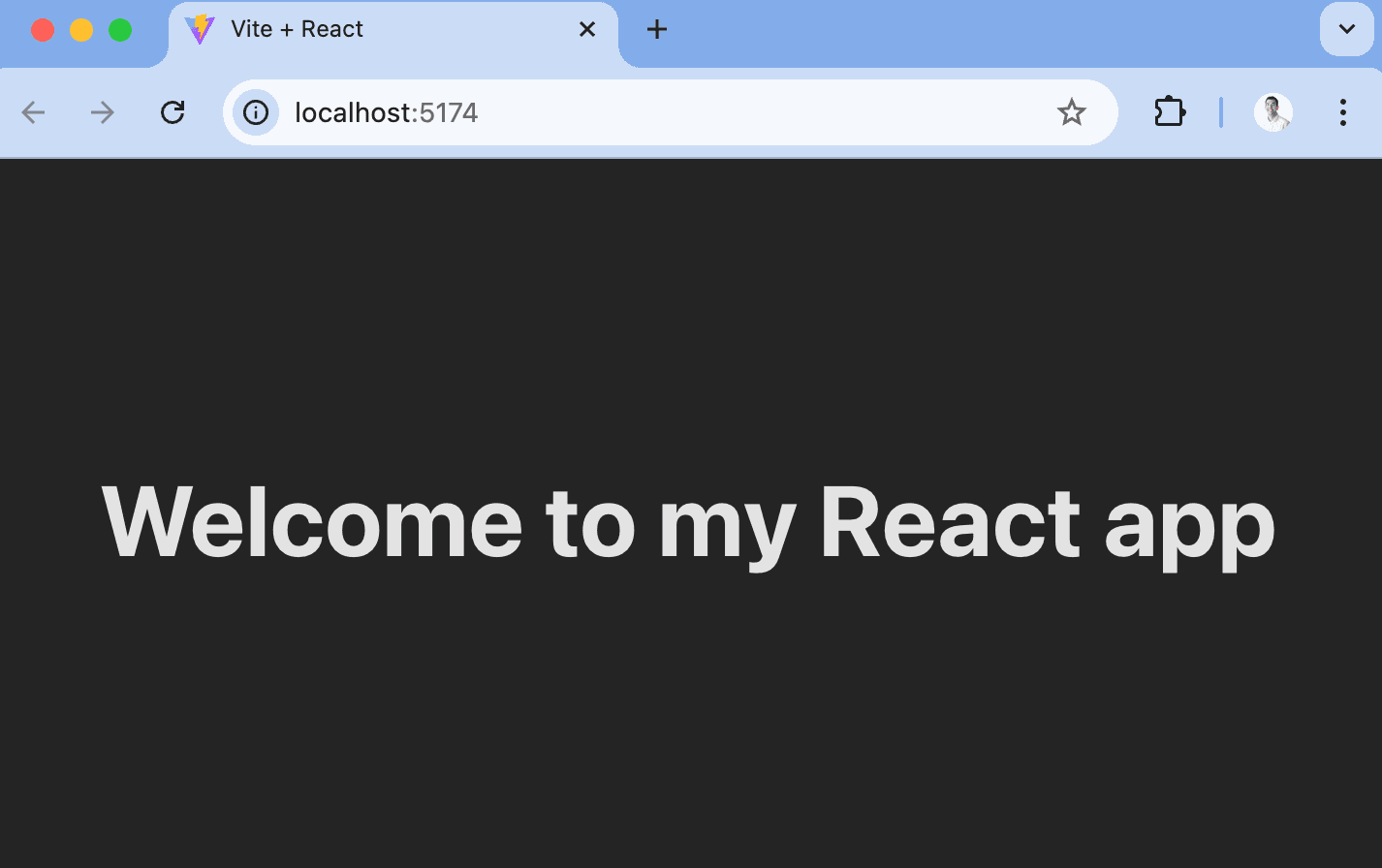
Finally, run `npm run dev` and go to `http://localhost:5173` to see our new homepage.
|
|
|
|
|
|
|
|
## Adding PostHog
|
|
|
|
Since PostHog handles the management and evaluation of feature flags, we must set it up in our app. To do this, start by installing the `posthog-js` and `@posthog/react` libraries to get access to the [React SDK](/docs/libraries/react).
|
|
|
|
```bash
|
|
npm install posthog-js @posthog/react
|
|
```
|
|
|
|
Once installed, import PostHog into `src/main.jsx` and set it up using your project API key and host from [your project settings](https://us.posthog.com/settings/project). Wrap your app in the React `PostHogProvider` to access PostHog in any component.
|
|
|
|
```jsx
|
|
// src/main.jsx
|
|
import React from 'react'
|
|
import ReactDOM from 'react-dom/client'
|
|
import './index.css'
|
|
import App from './App.jsx'
|
|
import posthog from 'posthog-js'
|
|
import { PostHogProvider } from '@posthog/react'
|
|
|
|
posthog.init('<ph_project_api_key>', {
|
|
api_host: '<ph_client_api_host>',
|
|
defaults: '<ph_posthog_js_defaults>',
|
|
})
|
|
|
|
ReactDOM.createRoot(document.getElementById('root')).render(
|
|
<React.StrictMode>
|
|
<PostHogProvider client={posthog}>
|
|
<App />
|
|
</PostHogProvider>
|
|
</React.StrictMode>,
|
|
)
|
|
```
|
|
|
|
Once done, start your app again with `npm run dev` and you should see an event autocaptured into PostHog.
|
|
|
|
<ProductScreenshot
|
|
imageLight="https://res.cloudinary.com/dmukukwp6/image/upload/Clean_Shot_2025_03_07_at_10_39_45_2x_d42f3e8b87.png"
|
|
imageDark="https://res.cloudinary.com/dmukukwp6/image/upload/Clean_Shot_2025_03_07_at_10_39_27_2x_2bfdbac1b1.png"
|
|
alt="Events in PostHog"
|
|
classes="rounded"
|
|
/>
|
|
|
|
## Creating a feature flag
|
|
|
|
With PostHog set up, your React app is ready for feature flags.
|
|
|
|
To create one, go to the [feature flags tab](https://app.posthog.com/feature_flags) in PostHog and click **New feature flag**. Enter a flag key (like `cool-react-homepage`), set the release condition to roll out to 100% of users, and press **Save**.
|
|
|
|
<ProductScreenshot
|
|
imageLight="https://res.cloudinary.com/dmukukwp6/image/upload/Clean_Shot_2025_03_07_at_10_34_56_2x_5ccc746eef.png"
|
|
imageDark="https://res.cloudinary.com/dmukukwp6/image/upload/Clean_Shot_2025_03_07_at_10_35_17_2x_7a736cad45.png"
|
|
alt="Creating a feature flag in PostHog"
|
|
classes="rounded"
|
|
/>
|
|
|
|
You can customize your conditions with percentage and person or group properties to fit your needs.
|
|
|
|
## Adding our feature flag
|
|
|
|
Once created, we can add our feature flag to our React app. We do this using the `useFeatureFlagEnabled` hook to conditionally show new content in our component.
|
|
|
|
```jsx
|
|
// src/App.jsx
|
|
import './App.css'
|
|
import { useFeatureFlagEnabled } from '@posthog/react'
|
|
|
|
function App() {
|
|
|
|
const flagEnabled = useFeatureFlagEnabled('cool-react-homepage')
|
|
|
|
return (
|
|
<div className="App">
|
|
{flagEnabled ?
|
|
<h1>Welcome to my cool new React app</h1>
|
|
:
|
|
<h1>Welcome to my React app</h1>
|
|
}
|
|
</div>
|
|
)
|
|
}
|
|
|
|
export default App
|
|
```
|
|
|
|
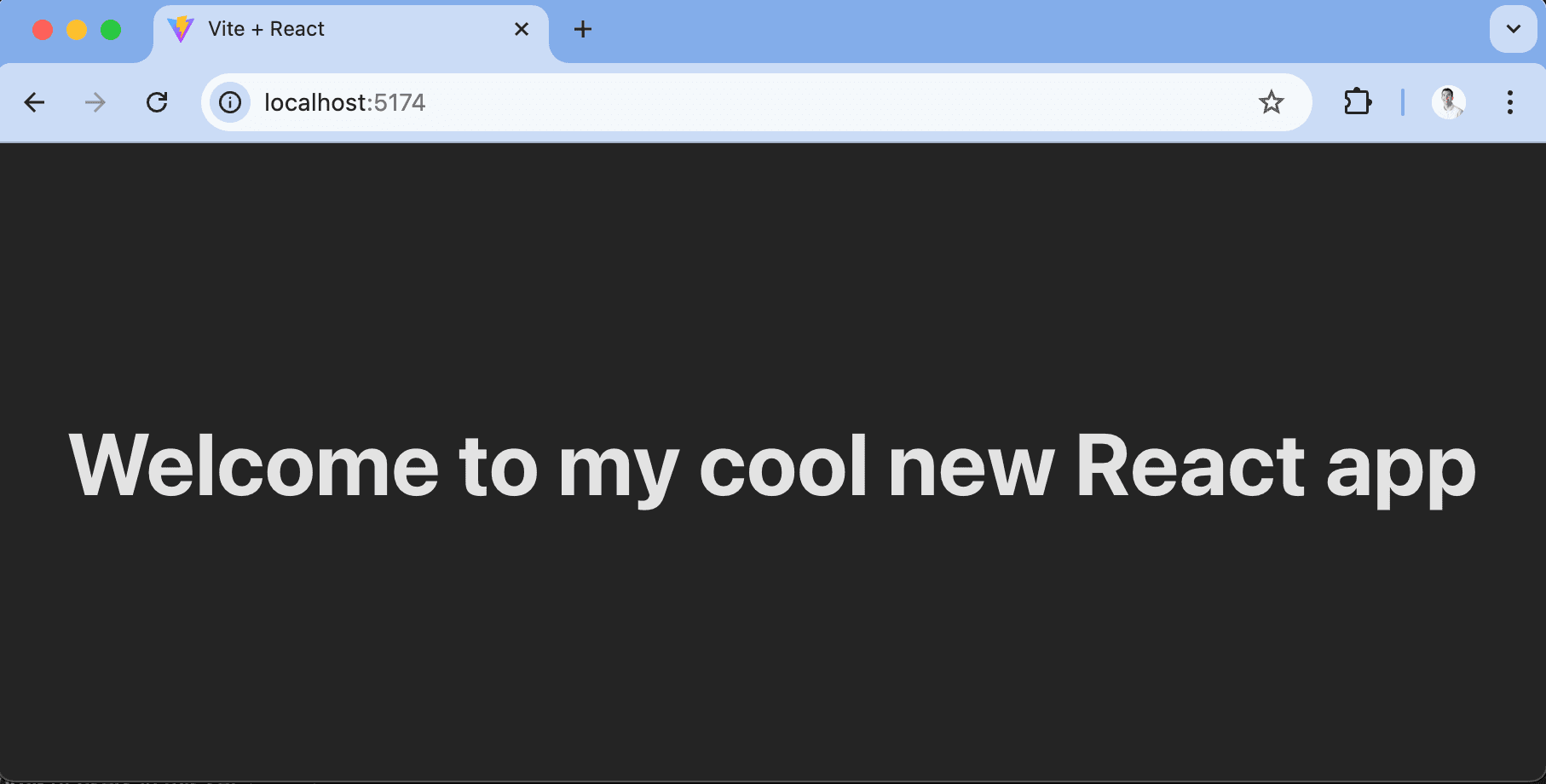
With the flag enabled, our app now shows "Welcome to my cool new React app."
|
|
|
|
|
|
|
|
> **Want to remove the flicker while loading?** Read our tutorial on [How to bootstrap feature flags in React with Vite and Express](/tutorials/bootstrap-feature-flags-react).
|
|
|
|
### Using the PostHog feature component
|
|
|
|
An alternate way to implement feature flags is to use the `PostHogFeature` React component. This simplifies the logic of using flags as well as captures related usage automatically (such as a `$feature_view` event). We set the old content as the fallback for the component.
|
|
|
|
```jsx
|
|
// src/App.jsx
|
|
import './App.css'
|
|
import { PostHogFeature } from '@posthog/react'
|
|
|
|
function App() {
|
|
|
|
return (
|
|
<div className="App">
|
|
<PostHogFeature
|
|
flag='cool-react-homepage'
|
|
match={true}
|
|
fallback={<h1>Welcome to my React app</h1>}
|
|
>
|
|
<h1>Welcome to my cool new React app</h1>
|
|
</PostHogFeature>
|
|
</div>
|
|
)
|
|
}
|
|
|
|
export default App
|
|
```
|
|
|
|
These are basic implementations of React feature flags setup. From here, you can set up [A/B tests](/experiments), a [public beta program](/tutorials/public-beta-program), or [canary releases](/tutorials/canary-release).
|
|
|
|
## Further reading
|
|
|
|
- [Testing frontend feature flags with React, Jest, and PostHog](/tutorials/test-frontend-feature-flags)
|
|
- [How to add popups to your React app with feature flags](/tutorials/react-popups)
|
|
- [How to bootstrap feature flags in React with Vite and Express](/tutorials/bootstrap-feature-flags-react)
|
|
|
|
<NewsletterForm /> |